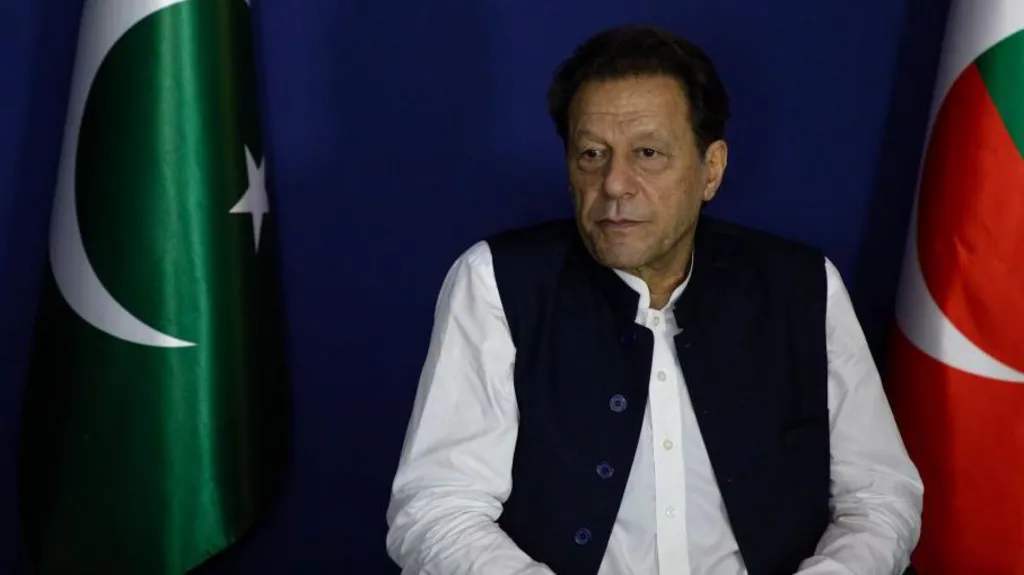
Analysis of the Dec 20, 2025 sentencing of Imran Khan and Bushra Bibi in the Toshakhana 2 case. Explore the 17-year jail terms, the role of Field Marshal Asim Munir, and the future of PTI.
The Verdict: 17 More Years Behind Bars
In a hearing held inside the high-security Adiala Jail, Special Judge Central Shahrukh Arjumand sentenced the former premier and the former first lady to a total of 17 years of imprisonment each.
Breaking Down the Charges
The case, widely known as Toshakhana 2, centered on a luxury Bulgari jewelry set gifted by the Saudi Crown Prince in 2021. The prosecution argued that the set, valued at approximately Rs 80 million, was retained by the couple after paying a meager Rs 2.9 million—a valuation allegedly achieved through illegal pressure on private firms.
The sentencing structure includes:
- 10 Years: For criminal breach of trust (Section 409).
- 7 Years: For criminal misconduct by public servants (Section 5(2)).
- Fines: A combined fine of Rs 16.4 million.
The judge noted that the sentences were considered "lenient" due to Khan’s age (73) and Bushra Bibi’s gender; otherwise, the penalties could have been even more severe.
The Cumulative Weight of Sentences
Imran Khan is now facing a staggering cumulative jail time across various cases. Earlier in 2025, he was sentenced to 14 years in the £190 million corruption case (Al-Qadir Trust). Information Minister Attaullah Tarar has clarified that the new 17-year term will begin after the previous sentences are served, effectively meaning the PTI founder could remain incarcerated for decades.
The Rising Power of Field Marshal Asim Munir
A significant shift in Pakistan's power dynamic occurred earlier this month. On December 4, 2025, President Asif Ali Zardari formally appointed Field Marshal Asim Munir as the country’s first Chief of Defence Forces (CDF).
- A Historic Rank: Munir is only the second person in Pakistan's history to attain the rank of Field Marshal, following Ayub Khan.
- Unified Command: The new CDF role replaces the Chairman Joint Chiefs of Staff Committee (CJCSC) and grants Munir unprecedented authority over all military branches.
- The "Dictator" Label: From his jail cell, Imran Khan has intensified his rhetoric against the military leadership, recently referring to Munir as a "tyrannical dictator" and "mentally unstable." These comments led to a temporary ban on family visits for Khan in early December.
PTI’s Response: "Kangaroo Courts" and Protests
The Pakistan Tehreek-e-Insaf (PTI) has rejected the verdict, labeling the proceedings a "kangaroo court" and a "black chapter in history."
- Legal Challenge: Khan’s lawyer, Salman Safdar, has already announced plans to challenge the verdict in the High Court, citing a lack of transparency and the exclusion of defense witnesses.
- Public Unrest: Following the sentencing, there have been reports of heavy police deployment in Rawalpindi and other major cities as PTI supporters attempted to organize protests.
- Digital Campaigning: Despite his isolation, Khan’s social media presence remains active. Using AI-generated voices and pre-written messages, his team continues to mobilize his massive following online.
Conclusion: A Nation Divided
As of December 23, 2025, Pakistan remains a country deeply divided. For the government and the military, these convictions represent the "rule of law" catching up with corruption. For Khan’s supporters, it is a blatant attempt to keep the most popular politician in the country away from the ballot box.
With the creation of the Federal Constitutional Court (FCC) under the 27th Amendment, the legal battlefield is shifting. The coming months will determine whether these sentences hold up under appeal or if the "Field Marshal" era will face a new wave of political turbulence.